Hello!
Welcome to the first edition of NLISN news:
We’ll be sharing articles, resources, reviews, updates about upcoming events, research projects, and member news. We hope you’ll find it interesting. Feel free to drop us a line with any feedback or suggestions.
Neurodiversity in Libraries: Creating a Supportive Space for All
Caroline Ball, Academic Librarian at the University of Derby, eBook campaigner, and a member of NLISN’s organising committee explains why neurodiversity is important for individuals and the institutions they work in.
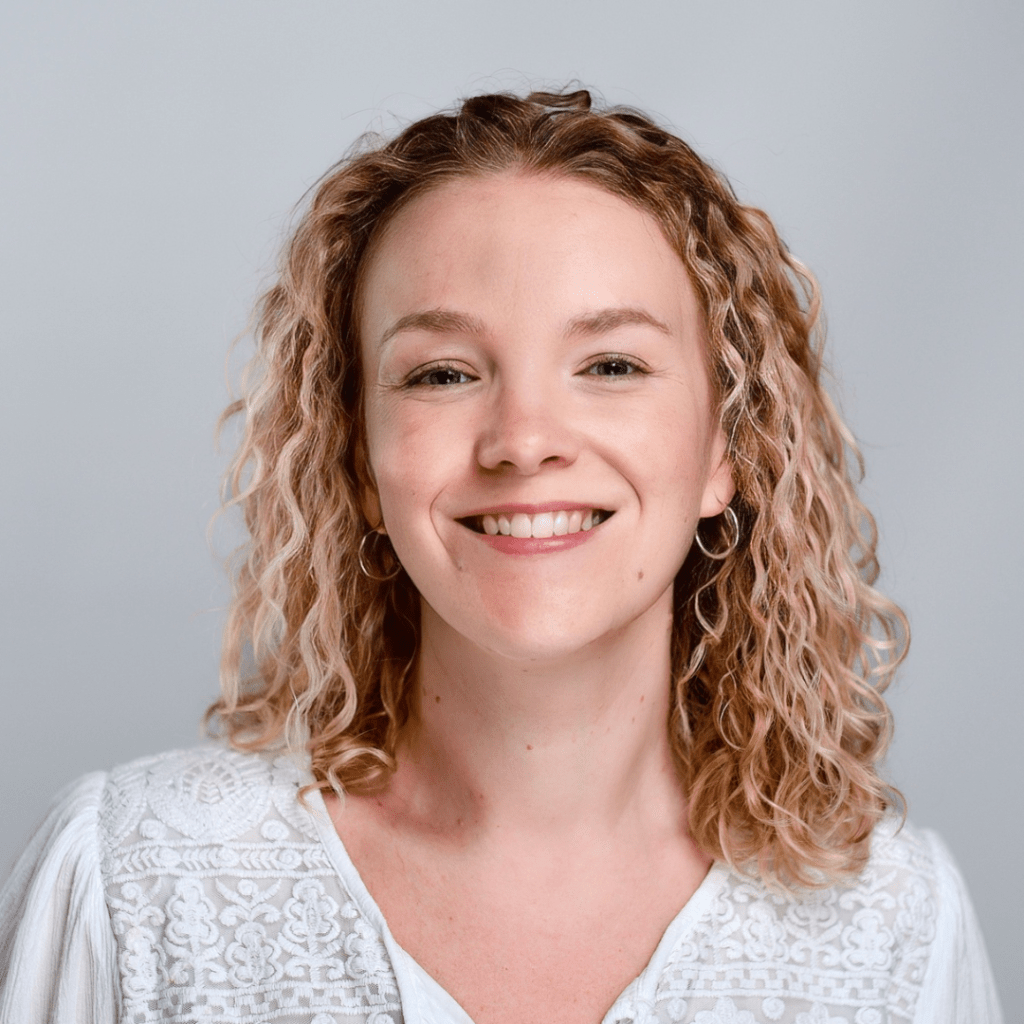
“The creation of NLISN was driven by a shared understanding that neurodivergent individuals often face unique challenges in the workspace.”
As someone who has personal experience of the complexities of being neurodivergent in the workplace, I understand the profound impact that a supportive community can have. For many years, I unconsciously masked my ADHD traits, attempting to conform to neurotypical expectations. This led to burnout, anxiety, and a persistent sense of not fitting in. It wasn’t until I received my diagnosis and connected with other neurodivergent individuals that I began to embrace my neurodiversity as simply another element of myself, rather than a weakness.
Through these connections, I discovered that I wasn’t alone in my experiences. Many of my neurodivergent colleagues had faced similar challenges and had developed coping mechanisms and strategies for thriving in the workplace. Sharing our stories and experiences created a sense of solidarity and empowerment.
Neurodiversity is not a deficit; it’s a difference. Neurodivergent individuals bring unique strengths and perspectives to the library sector.
Neurodivergent individuals often possess exceptional creativity, problem-solving skills, attention to detail, and a passion for knowledge. By embracing neurodiversity, libraries can tap into this rich pool of talent and create a more innovative and dynamic workplace.
NLISN is committed to fostering a culture of acceptance and understanding within the library sector. We believe that by working together, we can create a more inclusive environment where everyone feels valued, supported, and empowered to reach their full potential.
Read Caroline’s full article at the NLISN website.
“Neurodiversity in Libraries: Creating a supportive space for all” first appeared in CILIP InfoPro, September 2024
NLISN Buddying Scheme
The NLISN Buddying Scheme is designed to foster a supportive community for neurodivergent library workers.
It offers a platform for individuals to connect, share experiences, and navigate the unique challenges and opportunities that come with being neurodivergent in the library workplace.
How does it work?
The scheme pairs individuals based on their interests and needs, creating a space for mutual understanding and encouragement. Whether you’re seeking support, looking to share your experiences, or simply wanting to connect with someone who understands, the Buddying Scheme is here for you.
We carefully match individuals, as far as possible, based on their preferences and needs. Once matched, you and your buddy will connect and establish a communication plan that works for both of you. The scheme is a safe space to share experiences, offer support, and celebrate successes, and we have lots of advice and tips to help you along the way.
Volunteers Wanted!
If you’re interested in becoming an NLISN buddy, there is lots more information, and a sign-up form on our website.
Resources Roundup
The NLISN resources library is a curated collection of articles, guides, and tools on topics relevant to neurodiversity in the workplace.
Here’s a roundup of some recent articles and additions:
Neurodiversity in Business Report 2024
This research collaboration between Birkbeck’s Centre for Neurodiversity Research at Work and Neurodiversity in Business provides a broad overview of neurodiversity at work paired with detailed analysis of psychological and social complexities.
Shattering Silence: Autistic Women Redefining Coaching and Inclusion in the Workplace
This article investigates the workplace challenges of autistic women and the effectiveness of coaching in addressing their needs. It underscores systemic biases and a lack of understanding within coaching practices that impede professional growth and well-being.
Thriving… or Just Surviving? Autistic Journeys in Higher Education
This article synthesises key recent (2021–2024) research that aims to understand the experience of autistic people, both staff and students, who navigate the Higher Education (HE) environment.
We Are Already Here: The Workplace Experiences of Neurodivergent Library Workers
While libraries are increasingly implementing practices and services designed to serve neurodivergent patrons, such efforts have not yet extended to neurodivergent library employees. This session shares results from an IMLS-funded initiative that highlights the voices of neurodivergent librarians and their journey of negotiating identity as they face barriers and enablers to their success.
Call for Participants: Play, A Research Project
NLISN Co-Chair Andy Walsh will be exploring the idea of ‘play’ and how this might differ for neurodivergent individuals:
Play is often seen as inherently social, and playfulness has been defined as a personality trait that often includes ideas of sociability or even extrovertism.
There has been a tendency to define play and playfulness in terms of sociability.
I suspect that this reflects a neurotypical viewpoint of play, concentrating on groups over individuals, and I wonder if there is a greater tendency for some neurodivergent people favouring what Brian Sutton-Smith called “passive or vicarious forms of play” – daydreams, fantasies, setting yourself targets to hit, crafting, puzzles, etc. Anything that might be thought of as play, or playful, but that only involves yourself, rather than a group of players.
If you would be happy to answer a few questions about yourself and your experiences / preferences around play, please submit your details via this form and select whether you’d prefer to be interviewed “live” online, type your answers out, record yourself, or something else. Fuller details will come when I contact people who have said they’d be willing.
Self or “official” diagnoses welcome. Participants must be over the age of 18.
 Neurodivergent Library and Information Staff Network
Leave a comment